
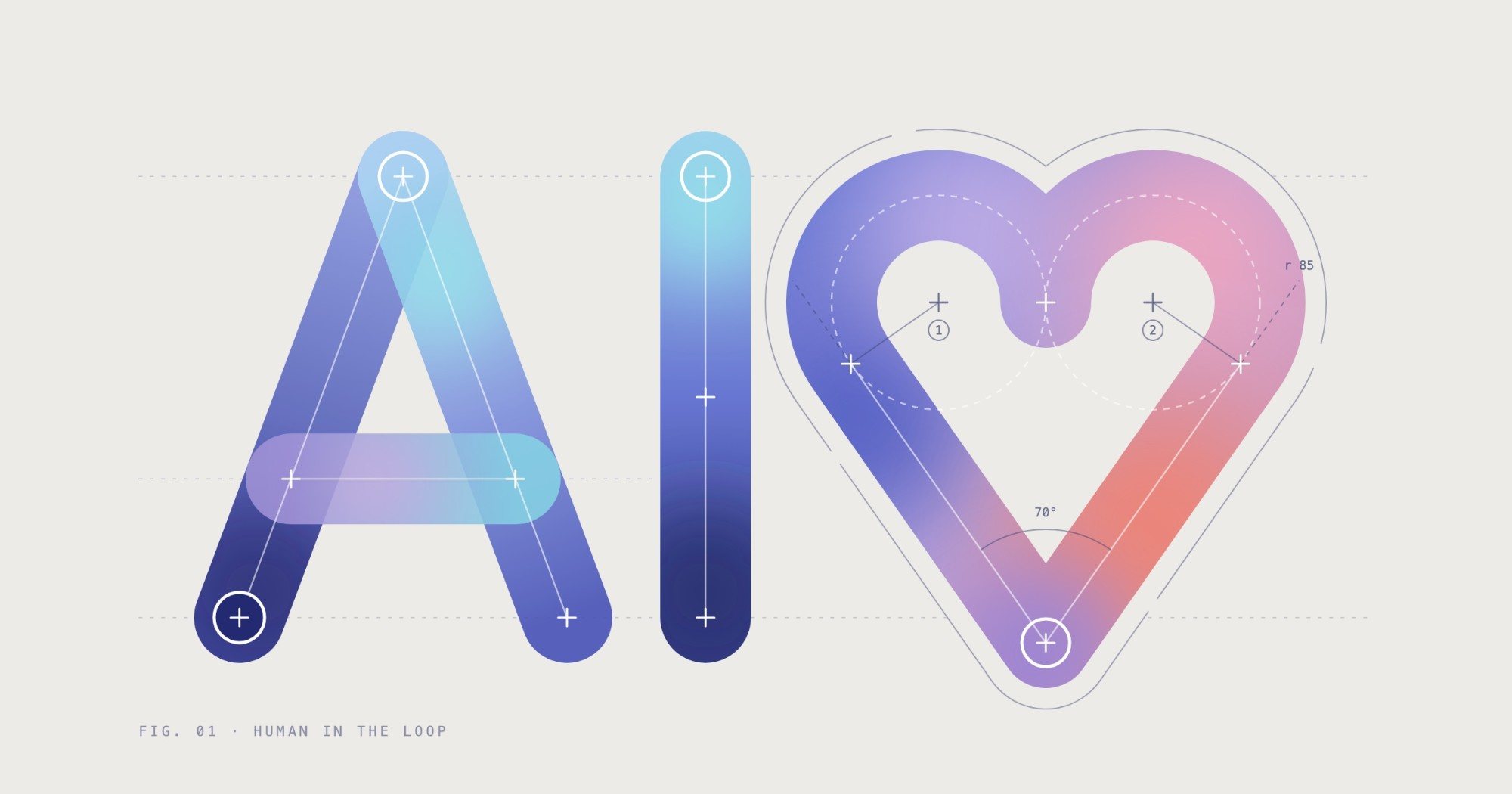
AI can write your emails in four seconds. It can't make your customers trust you.
Most of us already use AI. Very few of us trust it to talk to our customers. And plenty of us are quietly hoping nobody asks.
I work with small business owners whose companies run on relationships. Their customers don't pay for a transaction. They pay for someone who remembers them. So where does AI make a small business better, and where does it start costing you the thing people actually pay for?
Small business owners don't trust AI with their customers
Bluehost surveyed 350 U.S. small business owners in May 2026 for its State of Small Business AI Confidence report. The numbers tell the story:
- 87% use at least one AI tool.
- Only 6% highly trust AI to write in their brand voice or speak to their customers.
- 29% say their biggest AI worry is losing the human touch.
- 33% never tell customers when AI is involved in customer-facing work. Only 8% always do.
Read those together. We use it. We don't trust it. And a third of us aren't saying so.
Customers have opinions too. A Gartner survey of 5,728 customers found 64% would prefer companies didn't use AI for customer service. Their number one fear wasn't robots. It was that reaching a real person would get harder.
What AI finds when you finally look at the numbers
Picture a family-run home services company. Great reviews, loyal customers, busy every day, and somehow a little less money every quarter.
The owner has a theory for every slow month. Ads. The economy. The weather. So stop guessing.
Export twelve months of estimates, invoices, call logs, and cancellations. Strip out customer names. Hand it all to an AI assistant with one question: where is this business bleeding?
It takes a few minutes. Here's the kind of thing that comes back.
Estimates go cold. Written estimates go out and never get a follow-up call. Most of those customers never said no. Nobody asked again.
After-hours calls die in voicemail. Calls that come in after 5 p.m. rarely become jobs, and those are often the urgent ones.
One-time customers stay one-time. Plenty of happy customers have never been asked about a maintenance plan.
Here's the part to keep coming back to. None of the fixes are AI.
Call every open estimate within 48 hours. Give every after-hours caller a personal callback by 9 a.m. End every finished job with a real conversation about what's next.
Three fixes instead of ten ideas. That's the kind of change that moves a close rate.
AI doesn't fix the business. It shows you where it's bleeding, so you can put your effort where it matters most: with the customers already raising their hands.
Where AI helps a relationship-based business
Here's the rule I use. AI gets the work that happens before the customer shows up. Humans get the moments the customer remembers.
AI earns its keep in the back office:
- First drafts. Blog posts, newsletters, captions. You still edit until it sounds like you.
- Admin. Scheduling, reminders, intake forms, invoices, and answers to the same five questions you get every week.
- Getting found. Website copy, listings, and search visibility. Bluehost found this is where owners most want AI agents.
- Finding the leaks. Patterns in your sales, cancellations, and inquiries that you're too close to see.
Where AI hurts trust
Trust breaks in predictable places:
- Pretending to be you. A message with your name on it that you didn't write or read is a small lie. People can tell. Owners in the Bluehost study call it the "AI slop" problem: writing that technically works but reads as generic and off-tone.
- The hard moments. A complaint. A refund. Bad news. A customer who's struggling. These moments decide whether someone stays. Don't automate them.
- No way out. A chatbot that can't hand off to a real person isn't customer service. It's a wall.
Should you tell customers you use AI?
Yes. Keep it short and specific.
Quiet use feels safe until someone finds out. When trust is your product, getting caught costs more than being upfront ever would.
You don't need a disclaimer on every email. You need one honest line where it matters:
- On your website: "I use AI tools for scheduling and first drafts. Every message you get from me is written or reviewed by me."
- On a chatbot: "I'm an automated assistant. Type 'human' anytime to reach a real person."
Only 8% of owners always disclose. That's an easy way to stand out.
A 3-question test before you automate anything
Before you hand a task to AI, ask:
- Would my customer feel misled if they knew AI did this?
- If AI gets it wrong, will my customer feel it?
- Is this a moment my customer will remember?
Any yes means a human stays on it. Three no's means let the machine have it.
Use AI to buy time. Spend it on people.
AI is a shortcut. Trust isn't.
Use AI to clear the busywork. Then spend the hours you get back on what no tool can do: the check-in, the phone call, the "saw this and thought of you" text.
That's the human touch. It's also the part your competitors are about to automate away. Let them.
FAQ
Should small businesses use AI for customer service? Yes, for simple questions like hours, pricing, or booking, as long as a real person is always one step away. Keep complaints and refunds human.
How do I keep AI writing in my brand voice? Give it examples of your own writing, edit every draft, and read it out loud before it goes out. If it doesn't sound like something you'd say, it isn't done.
Drafted with help from AI, edited by me.